


Inflammation
Acne has an inflammatory side: bacteria in blocked pores, and the immune response that makes a spot swell.
 EN
Skin care with a doctor
Have a doctor look. Send your history from your phone, and find out what’s behind it.
$0 assessment fee. If you're not prescribed, you get a full refund.
Acne, rosacea, dark marks and aging signs are four common skin patterns, and they can overlap. A doctor licensed in your province reads your answers about your skin, what you have tried and your health history. If prescribed, treatment comes with instructions, and every plan includes sun protection advice and follow-ups with your doctor.
See the four kindsThe kinds1 / 6
Breakouts, dark spots and scarring are common, and each has its own cause.

Tap the one that sounds like yours.
These can overlap, so you do not have to pick just one. A doctor considers your skin and your health history together.

AcneRed, sore spots, some with pus. Hormones can play a part, and stress, friction and irritation may make acne worse.

RosaceaRedness and flushing across the cheeks, nose, chin and forehead. Sun and emotional stress can bring on flares, and triggers differ between people.

HyperpigmentationDark marks or patches, some left behind after a breakout. Sunlight, inflammation and hormones can each play a part, so not every patch has the same cause.
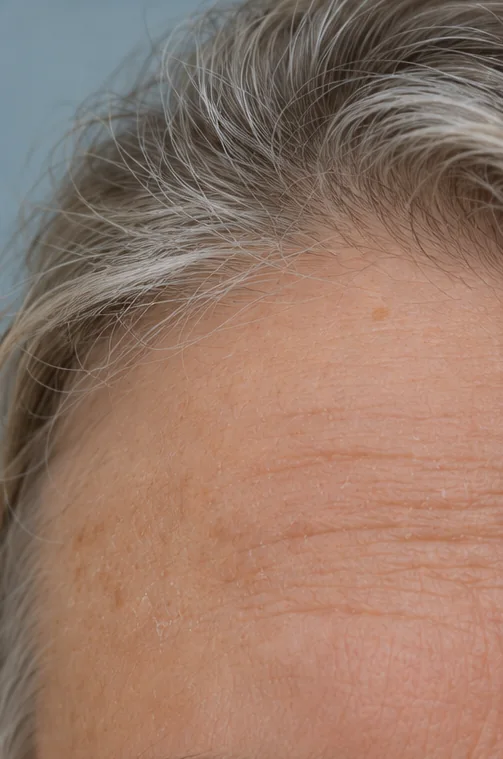
Aging signsLines around the eyes and mouth, and across the forehead. Sun exposure and smoking can add to changes in aging skin.
What it can look like
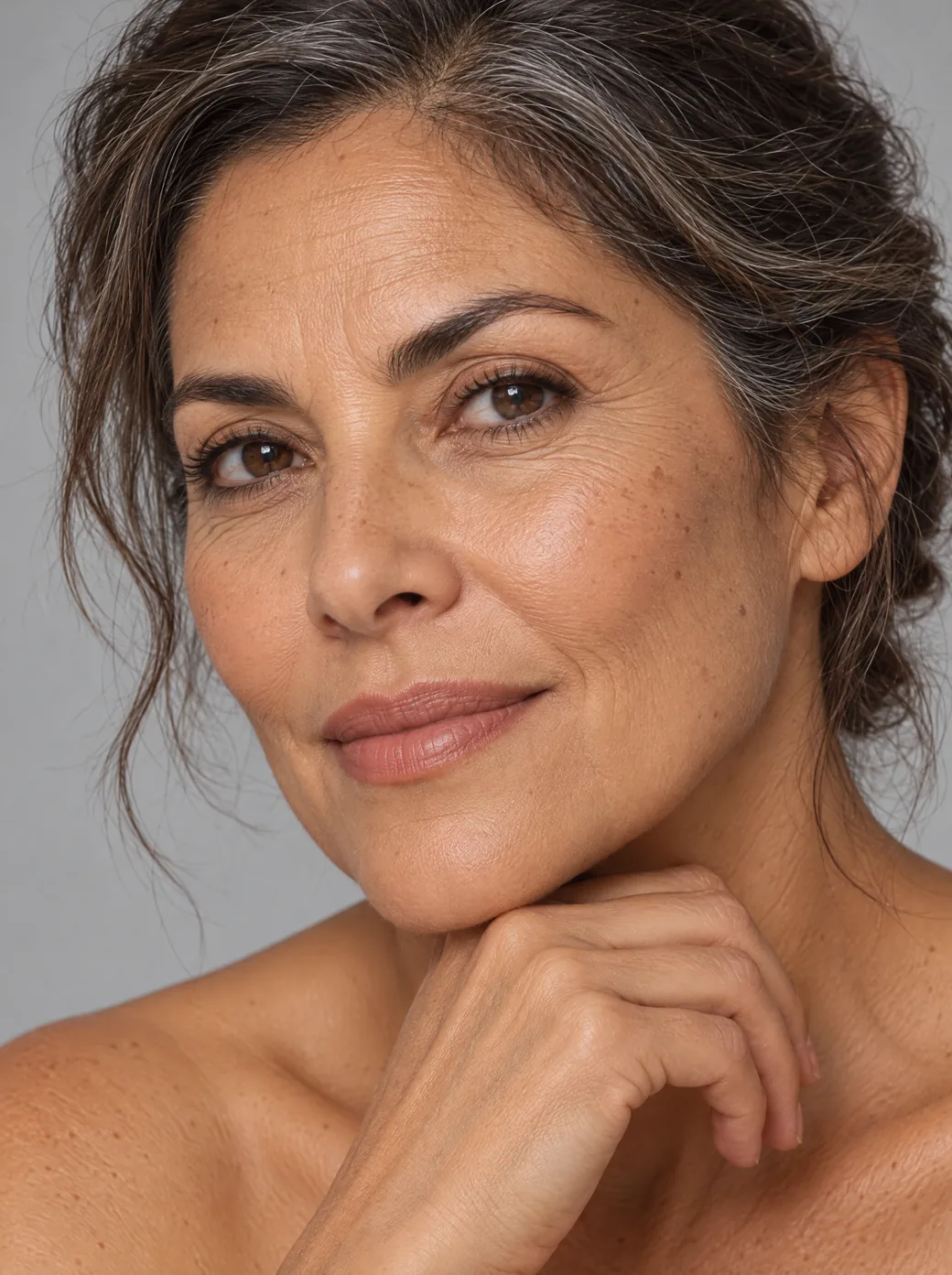
Illustrative images, not patients. A general guide, not a diagnosis.
When to see someone in person
Not sure where to start? The assessment takes a few minutes, and a doctor licensed in your province decides what, if anything, fits.
Condition facts from the Canadian Dermatology Association, NIAMS and the American Academy of Dermatology. Sources
Why it happens2 / 6
Skin changes can start in the skin, in the body or from outside.
5.6 million Canadians have acne.
That is nearly 1 in 5 Canadians. A published estimate from the Canadian Dermatology Association, not a new national count.1
About 2 million Canadians live with rosacea.
That is about 6 per cent of Canadians. A published estimate from the Canadian Skin Patient Alliance, not a new national count.2
These figures describe how common these experiences are among Canadians. They are not results of any treatment.
Figures from the Canadian Dermatology Association and the Canadian Skin Patient Alliance. Sources
How skin conditions work
Breakouts, pigmentation and scarring each have a different mechanism behind them. A doctor reads about your skin and your history to work out which pattern you have.
Skin cells are made and shed on a cycle. When that cycle is uneven, pores block and the surface feels rough. This is what sits behind congestion and many breakouts.
New cells form in the bottom row of the top layer.

Acne has an inflammatory side: bacteria in blocked pores, and the immune response that makes a spot swell.
Melanin is the pigment behind dark marks left by spots, sun or hormones. New pigment forms whenever skin is exposed to light, which is why sun protection matters throughout.
Sunscreen is part of every plan.
After your assessment, a licensed Canadian doctor decides whether prescription treatment is the right step at all.Start my free skin assessment
Your care3 / 6
What a doctor considers depends on which pattern you have.

Illustrative image. Your treatment may look different.
List what you use now in your assessment, including other prescriptions, acids and exfoliating products. Your doctor tells you what to keep and what to stop.
What to expect4 / 6
You answer from your phone, at home, when it suits you.

A few minutesA short, secure form about your skin, what you have tried and your health history.
A doctor has read your answers
Usually within daysA doctor licensed in your province reads every answer and decides.

After your doctor decidesIf prescribed, it comes with instructions from your doctor.

Any timeMessage your care team when you have a question. Follow-ups with your doctor are included.
Illustrative images, not photos of real patients or doctors.
A doctor reads your answers in three parts, and each part changes what they can consider.
Skin cells renew on a cycle, so skin changes slowly. Use a treatment only as your doctor directs, and message your doctor before you change how often you use it.
Your instructions If prescribed
Your doctor tells you how much to use and how often.
Early side effects The first weeks
Dryness, stinging or peeling can happen early with some treatments. Message your doctor about any side effect.
Along the way Any time
Message your care team when you have a question. Your doctor can change your plan if you need it.
When to get urgent help
Stop and get medical help right away for swelling of the face, lips, tongue or throat, or trouble breathing.
Call 911 or go to your nearest emergency department. Curo is not for medical emergencies. If you are in crisis, call or text 9-8-8.
Messages are not monitored around the clock.
It starts with a few questions. Start assessment
What it costs5 / 6
First the questions. At checkout you see your price before you pay. If you're not prescribed, you get a full refund.
Pay at checkout. A prescription is never guaranteed. Labs, if needed, are billed separately.
Compares Curo with a typical walk-in visit in general. Walk-in visits are covered by provincial health plans. Your experience may differ.
PrivacyIf prescribed, plain packaging that doesn't say what's inside, and your card statement shows Stealth Health, not what you ordered.
Questions6 / 6
Melasma shows as blotchy patches on skin that gets the most sun, such as the face. Sunlight and the hormone changes of pregnancy are possible triggers. Age spots are pigmented spots that do not go away, often on the shoulders, face or hands, after years of sun. They can look alike, which is why your doctor asks where the marks are, when they started and about pregnancy.711
A licensed doctor reads your answers about your skin and your health history, then decides whether prescription treatment is right for you at all. A store product is chosen without that review.
It may suit you if
It is not for you if
The assessment is a written form about your skin and your history. If your doctor needs to know more, they may ask for a phone or video call.
Dryness, stinging, peeling and short-lived lighter or darker skin are the most reported early effects with some treatments. Every prescription option has possible side effects. Your doctor goes through the ones that apply to you, and changes your plan if it does not settle.
This care is not for you while you are pregnant or breastfeeding. Some prescription skincare ingredients must not be used then, and your doctor screens for this in your assessment. Talk to your own doctor or pharmacist about skin care while pregnant or breastfeeding.
Not for Curo. A Curo assessment is not a visit with a dermatologist, so it needs no referral. Your assessment is reviewed online by a doctor licensed in your province. To see a dermatologist, you usually need a referral. In Ontario, pharmacists can prescribe certain medicines for acne, and you do not need a referral. Rules differ by province.12
In 2014, Ontario's typical routine dermatology wait was about 13 weeks.
From a survey of dermatology practices, published in 2016.3
A Curo assessment is not a dermatology visit. This figure does not describe today's wait or promise access through Curo. It is not a result of any treatment.
The assessment fee is $0 and your price is shown in your assessment before you pay anything. That price includes your treatment, delivery and follow-ups with your doctor. If you're not prescribed, you get a full refund. Labs, if needed, are billed separately. Curo is a private service. Public drug plans may not cover what is prescribed.
No. A doctor decides what, if anything, is appropriate for you.
Message your doctor from your Curo account. Changes your doctor makes are included at no extra fee. A new treatment shows its price before you pay. You can stop at any time.
No. Curo offers care for specific health needs online. Keep your family doctor informed about any treatment you start.
Call 911 or go to your nearest emergency department. Curo is not for medical emergencies. If you are in crisis, call or text 9-8-8.
The acne and rosacea figures are published estimates, not new national counts. The Ontario survey collected data in 2014 and was published in 2016; 13 weeks rounds its 12.7-week non-urgent median. It does not describe today's wait or promise access through Curo.
A few minutes of questions. A doctor reads every answer.
Start my free skin assessment Weight loss
 Hormone healthFor menFor women
 Sexual healthFor menFor women
 Hair
 Healthy aging
Your choice on cookies
With your OK, we use the Meta pixel to see which of our ads bring people here. It can show Meta which care pages you visit. It stays off unless you accept. If you then start care, the same OK lets our patient portal, app.curohealth.ca, tell Meta from its server when you buy a program, never which program, medicine or your answers. Meta can link this to your visit here.
Read our privacy policy


